
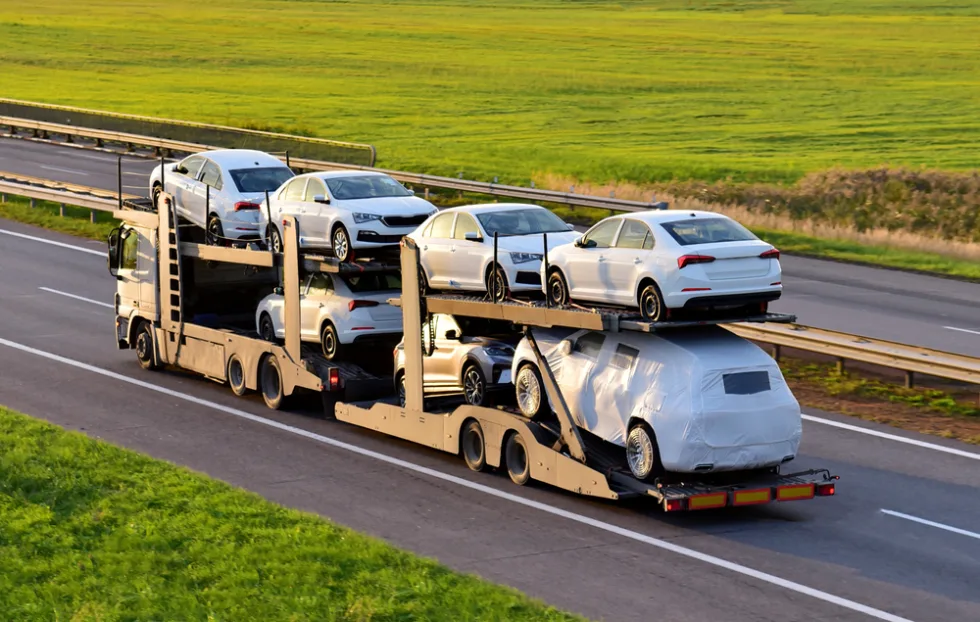
If you’re planning a move, buying a vehicle online, or sending a car to someone in another state, auto transport services make the process simple. Understanding how to ship a car to another state heքlps you avoid delays, hidden fees, and costly mistakes.
This guide walks you through the full vehicle shipping process, explains pricing, and breaks down the key differences between open vs enclosed car transport so you can choose the right option.
When Should You Ship a Car?
Shipping is often the smarter choice when:
- Moving long distance
- Purchasing a car from an out-of-state seller
- Sending a student’s car to college
- Transporting a luxury or classic vehicle
- Avoiding a long, tiring road trip
Instead of putting miles and wear on your vehicle, a professional carrier handles the trip for you.
Step 1: Choose the Right Type of Transport
One of the biggest decisions is open vs enclosed car transport. Your choice affects cost, protection level, and availability.
Open Car Transport
Open carriers haul multiple vehicles on a two-level trailer. This is the most common method used across the country.
Why people choose it:
- Lower shipping cost
- Faster booking times
- Safe for most everyday vehicles
Trade-off:
Cars are exposed to weather and road dust, just like they would be while driving on the highway.
Enclosed Car Transport
Enclosed trailers protect vehicles inside a covered carrier, shielding them from outside elements.
Best suited for:
- Luxury vehicles
- Classic or antique cars
- Exotic sports cars
- Custom paint or show cars
Benefits include:
- Protection from rain, snow, and sun exposure
- Reduced risk of debris contact
- More privacy and security
When comparing open vs enclosed car transport, enclosed shipping offers maximum protection but comes at a higher price.
Step 2: Understand What Affects Car Shipping Costs
Several variables determine how much it costs to ship a car to another state:
- Total mileage between locations
- Size and weight of the vehicle
- Open vs enclosed car transport
- Time of year (summer is peak season)
- Fuel prices and route demand
- Urban vs rural pickup/drop-off areas
Flexible scheduling can sometimes lower your quote.
Step 3: Pick Door-to-Door or Terminal Delivery
Door-to-Door Service
The carrier comes as close to your address as possible for pickup and delivery.
✔ Convenient
✔ Saves time
✔ Most popular choice
Terminal-to-Terminal Service
You drop off and pick up your vehicle at storage terminals.
✔ Can cost less
✘ Less convenient and may involve storage fees
Most customers prefer door-to-door for simplicity.
Step 4: Schedule Your Shipment Early
Booking early gives you better pricing and more carrier options. Last-minute bookings often cost more due to limited availability.
Aim to schedule your shipment at least one to two weeks in advance.
Step 5: Prepare Your Vehicle for Transport
Getting your car ready ensures a smooth pickup process.
Before the carrier arrives:
- Wash the exterior
- Take clear photos of the car’s condition
- Remove all personal items
- Leave only a small amount of fuel
- Turn off alarms
- Check tire pressure and battery
Transport companies typically do not insure personal belongings left in the car.
Step 6: Pickup Inspection
The driver performs a detailed inspection and records the vehicle’s condition on the Bill of Lading. This document protects both you and the carrier.
Review it carefully before signing.
Step 7: Transit Time Expectations
Delivery time depends on distance and route demand.
| Trip Distance | Estimated Time |
| Short haul | 1–3 days |
| Medium distance | 3–6 days |
| Cross-country | 7–10 days |
Weather and traffic can sometimes affect delivery schedules.
Step 8: Vehicle Delivery and Final Check
When your car arrives:
- Inspect it thoroughly
- Compare with the pickup report
- Note any issues before signing
- Keep copies of all documents
Most vehicles arrive in the same condition they were shipped.
Open vs Enclosed Car Transport: Quick Comparison
| Feature | Open Transport | Enclosed Transport |
| Price | More affordable | Premium cost |
| Protection Level | Standard | Maximum |
| Best For | Daily-use cars | High-value vehicles |
| Availability | Very common | Limited |
If your car is irreplaceable or extremely valuable, enclosed shipping provides added peace of mind.
Ways to Save Money on Car Shipping
- Choose open instead of enclosed if suitable
- Book early
- Avoid peak summer months
- Be flexible with pickup dates
- Meet the driver in an accessible location
Conclusion
Learning how to ship a car to another state gives you control over cost, timing, and protection. By comparing companies, preparing your vehicle properly, and choosing between open vs enclosed car transport, you can ensure your car arrives safely and on schedule.
Auto transport is designed to make long-distance moves easier — and with the right planning, it’s a smooth process from pickup to delivery.
Frequently Asked Questions
Can I ship personal items inside my car?
Most carriers restrict personal belongings due to weight rules and insurance limits.
Is someone required at pickup and delivery?
Yes, or you can assign a trusted representative.
Is enclosed car transport worth the cost?
For luxury, classic, or specialty vehicles, the added protection is often worth the investment.